Care before the dive:

  1. With any of the skin surfaces including Thermo-skin, care should be taken when donning the wetsuit to not snag the interior skin surfaces with a fingernail or toenail as this material can be cut. Avoid placing your wetsuit on or near any hot surfaces.

Care During the Dive:

  1. The exterior surface of your wetsuit is designed to withstand the normal wear and tear you might encounter during a normal dive. Abrasion against sharp rocks or other sharp objects can cut or puncture the exterior nylon surface so reasonable care should be taken to avoid these situations. Small cuts or tears can be easily repaired with wetsuit glue. Ask your dive professional for assistance.

Care After the Dive:

  1. When removing your wetsuit, first unzip all the zippers completely. Then remove one section at a time taking care to avoid puncturing any of skin surface panels with a fingernail.

Wetsuit Cleaning:

  1. Salt water and especially chlorine can “dry out” the neoprene material. When neoprene material “dries out” it looses it’s flexibility. To ensure the wetsuit material retains it’s flexibility for a extended period of time, it is important to thoroughly soak and rinse the wetsuit.
  2. Soak the wetsuit in a tub of warm fresh water (not over 120°F) for at least 15-20 minutes.
  3. After soaking, thoroughly hose off the wetsuit with fresh water
  4. Place the suit on a thick hanger with all the zippers open to ensure maximum air circulation and complete drying.

Wetsuit Storage:

  1. Wetsuit material can develop a permanent crease if left folded for a extended period of time. It is best to store your wetsuit laying flat. If that is not possible, you can store your suit on a hanger. Use as thick a hanger as possible to better support the weight of the suit. The thicker the suit, the heavier, and therefore the thicker your hanger should be. There are several after-market hangers available designed specifically for this purpose.
  2. Store in a cool, dry and protected place out of direct sunlight.
  3. Do not store your wetsuit in garage if the garage is used to park a vehicle. The exhaust emissions from the vehicle can over time deteriorate the neoprene.

Wetsuit Zipper Care and Maintenance:

  1. Zippers are designed to be pulled closed or open in a straight line. Try to avoid pulling on the zipper pulls at an excessive angle to their intended path of travel. It is best to ask your dive buddy for zipper assistance in either opening or closing the back-zipper of a one piece back-zipped jumpsuit.

Chemicals/Solvents:

  1. Avoid any contact with oil, gasoline, aerosols, or chemical solvents.
  2. Do not expose any part to aerosol spray, as some aerosol propellants attack or degrade rubber and plastic materials.
  3. Do not use any type of alcohol, solvent or petroleum based substances to clean or lubricate any part.
  4. Do not store your equipment near any oil, gasoline, chemicals, or solvents.

Wetsuit Care and Maintenance

Materials:

  • There are several different types of materials used in wetsuits to achieve specific functions. It is helpful to better understand each of these materials in order to properly care for them.
  • Neoprene – Neoprene is the base material that virtually all wetsuits are made of. Neoprene is a type of rubber foam and is typically laminated with other materials depending on the desired function of the material.
  • Standard Nylon – A standard nylon outer lining is very durable against normal wear and tear. Normal care must be taken to prevent snagging, abrasion, and cuts.
  • Skin material – “skin” material may be used either inside our outside of your wetsuit and often around the wrists, ankles, and neck area. This material has a rubber like appearance either being smooth or textured, and is commonly referred to as “skin-in” or “skin-out”. “Skin” neoprene material is typically used in areas where a water tight seal is desired or a benefit can be derived from it’s water shedding properties. Some additional care is needed to prevent cutting, or abrasion of this material. Sharp fingernails may cut this material if care is not taken.
  • Thermo-skin – This material may be used inside of your wetsuit. Thermo-skin material has a silver-colored smooth skin type surface. This material has beneficial heat reflective properties and also provides a sealing surface similar to standard “skin” materials. Some additional care is needed to prevent cutting, or abrasion of this material. Sharp fingernails may cut this material if care is not taken.
  • X-Flex or Iso-Flex Neoprene – X-Flex and Iso-Flex neoprene are special materials designed specifically to have a much higher rate of stretch than conventional materials. Due primarily to the looser nit needed to achieve this high degree of stretch; these materials may be more prone to snagging. “Hook-and-loop” fasteners may also cause some light snagging and pilling of the material. Some additional care is needed to prevent excessive abrasion or snagging.

Read More Deeply!

BCD Care and Maintenance

Although all dive gear is an investment, your Buoyancy Compensator is one of the most important pieces of dive gear you will ever own. It is what allows you to ascend, descend and maintaining neutral buoyancy at depth during every dive. As such, not only is it important for you to take good care of it so that it will stay in excellent working order, but for you to get the most of your money by making your BCD work for you for many years.

Compressor Care and Maintenance

Important: In case the compressor will be out of service for a brief period of time kindly see the Storage Guidelines provided on Compressor’s Manual
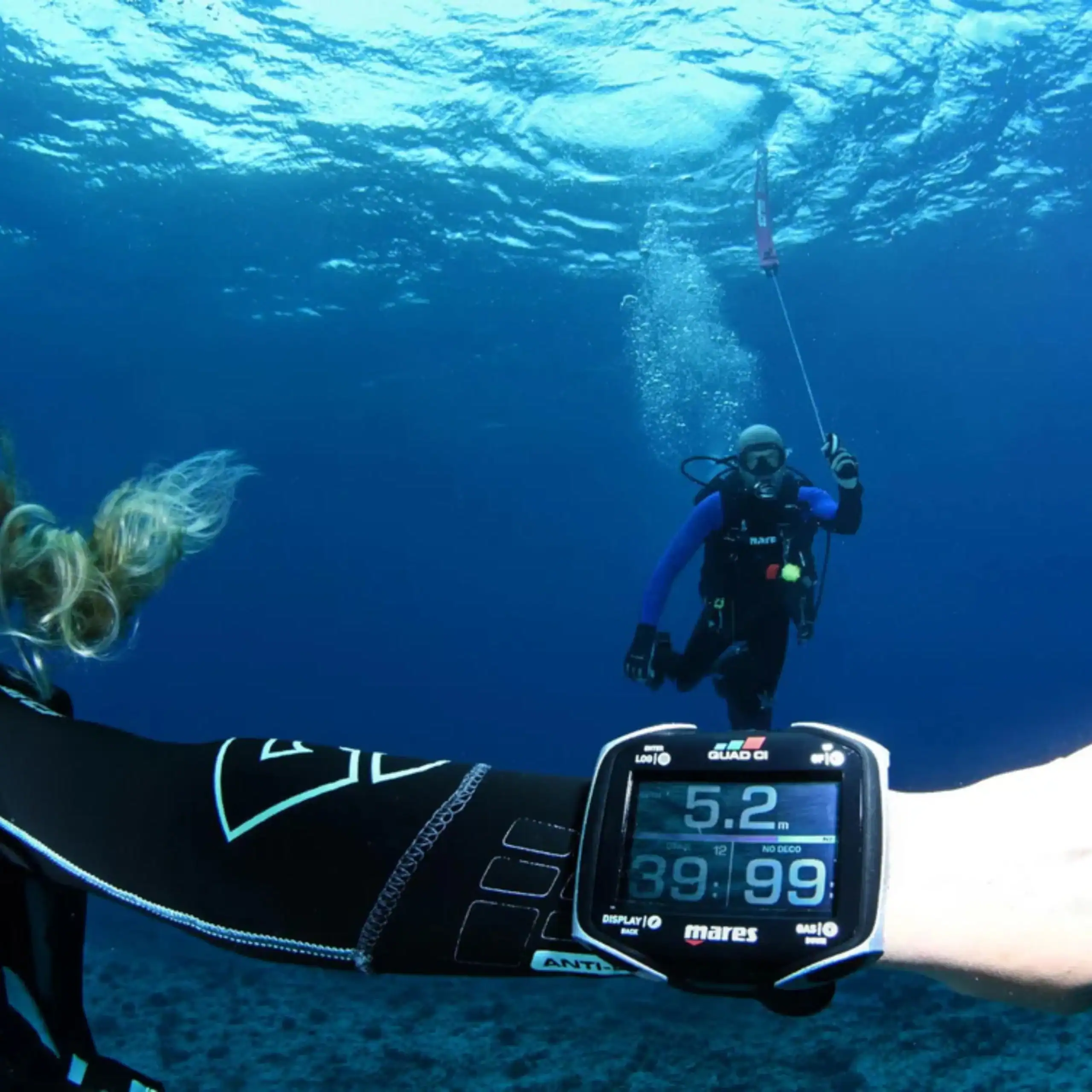
Dive Computer Care and Maintenance

Dive computers and instruments are extremely sensitive. Soak them in fresh water as soon as possible after use. Work all moving parts while soaking to loosen any salt and sand deposits. Annual service is recommended to ensure the longevity of delicate and expensive equipment. Be sure to follow any and all manufacturer’s recommendations and consult the owner’s manual before attempting replacement of the batteries.

Fin Care and Maintenance

Chemicals/Solvents: Avoid any contact with alcohol, oil, gasoline, aerosols, or chemical solvents. Do not expose any part to aerosol spray, as some aerosol propellants attack or degrade rubber and plastic materials. Do not use any type of alcohol, solvent or petroleum based substances to clean or lubricate any part. Do not store your equipment near any oil, gasoline, chemicals, or solvents.
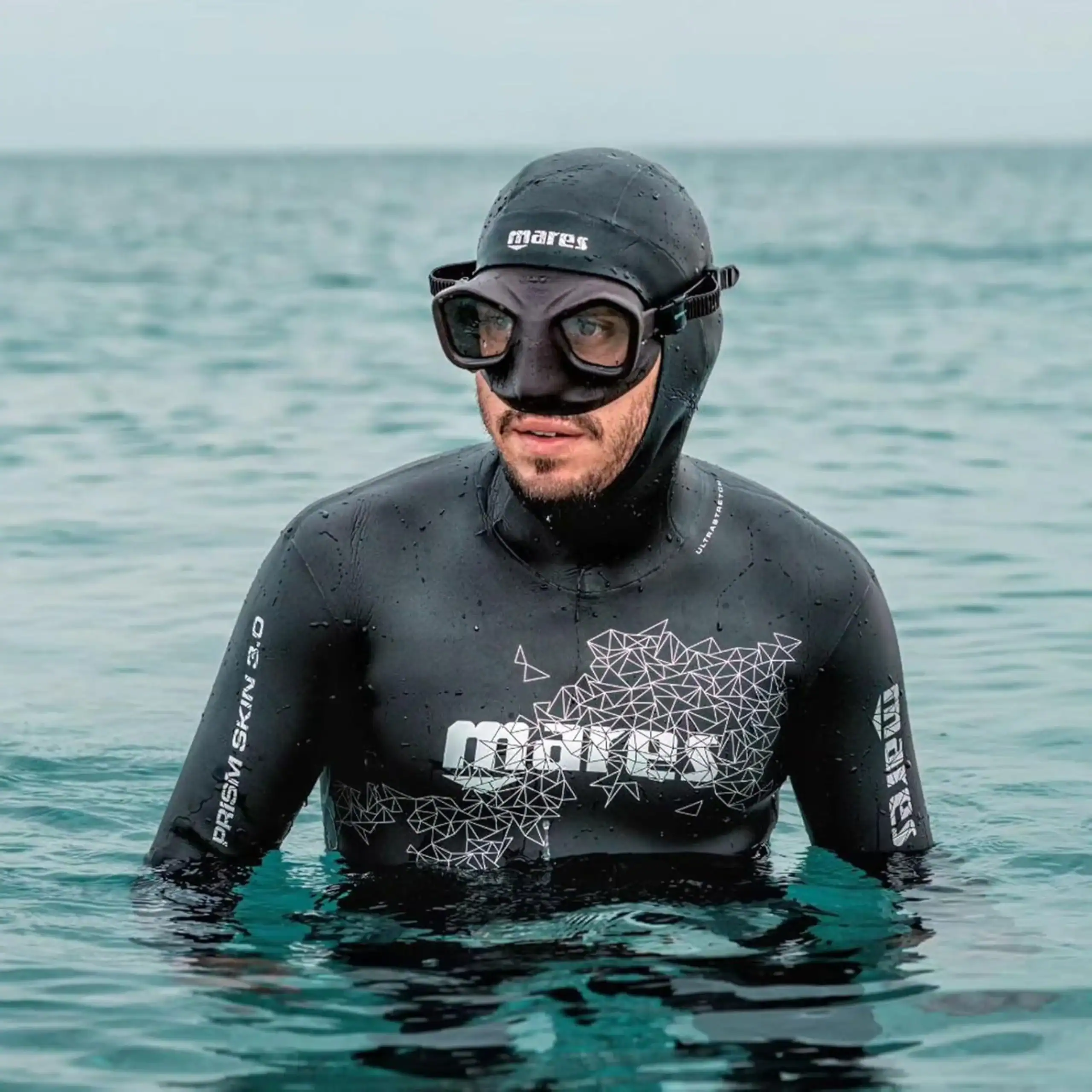
Mask Care and Maintenance

During the manufacturing process, a thin film of silicone will develop on the glass lens. This film of silicone will cause rapid fogging that is resistant to conventional anti-fog measures. It is important to remove this film of silicone from the lens prior to your first dive. To remove the film you will need to scrub the lens inside and out with a mild abrasive. A paste toothpaste is ideal but a liquid scrub will also work. Rub the cleanser into the lens with your fingers several times and then rinse clean thoroughly.
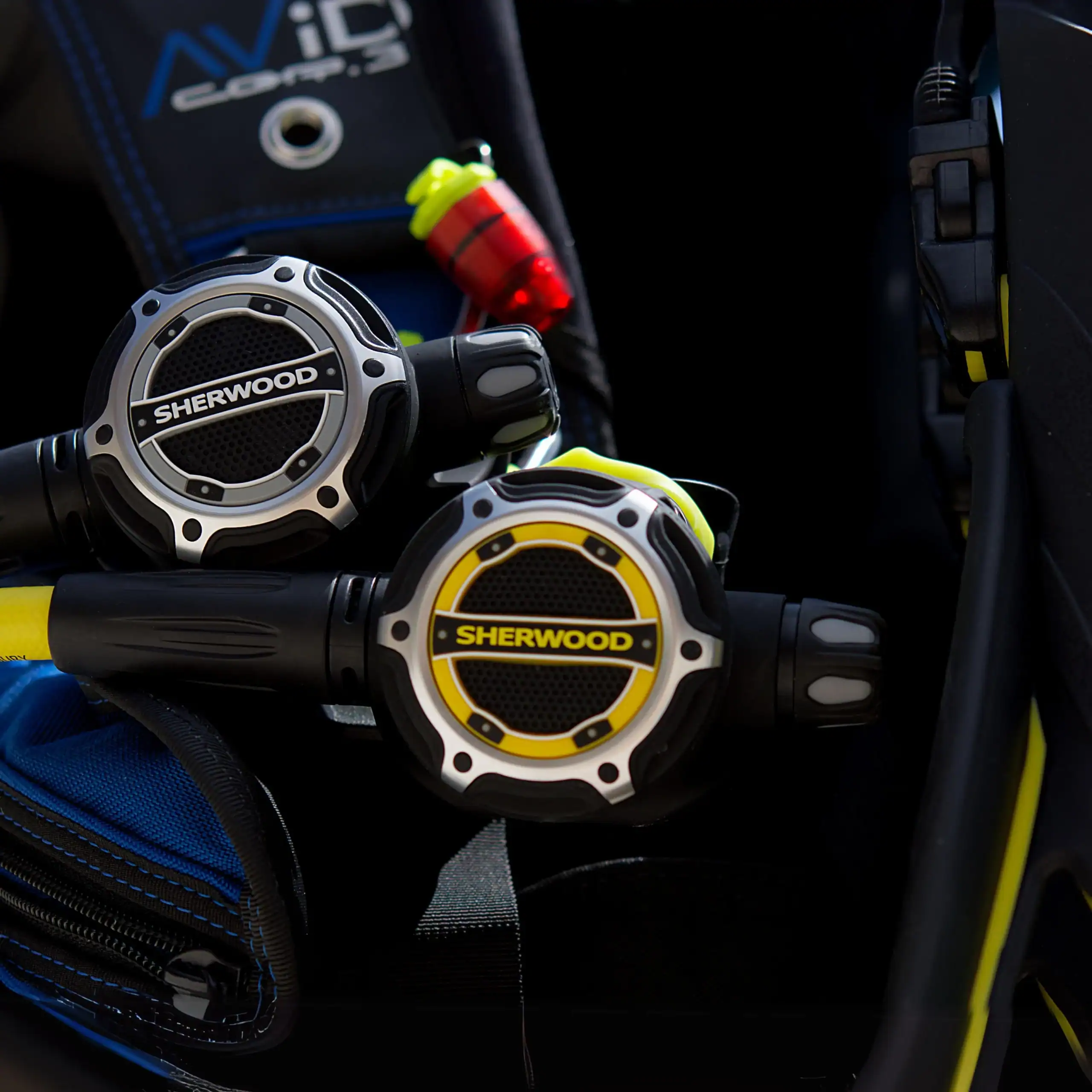
Regulator Care and Maintenance

The following maintenance procedures should be performed routinely after each use to ensure that your dive regulator is cleaned, inspected, and prepared for the next use or for storage.
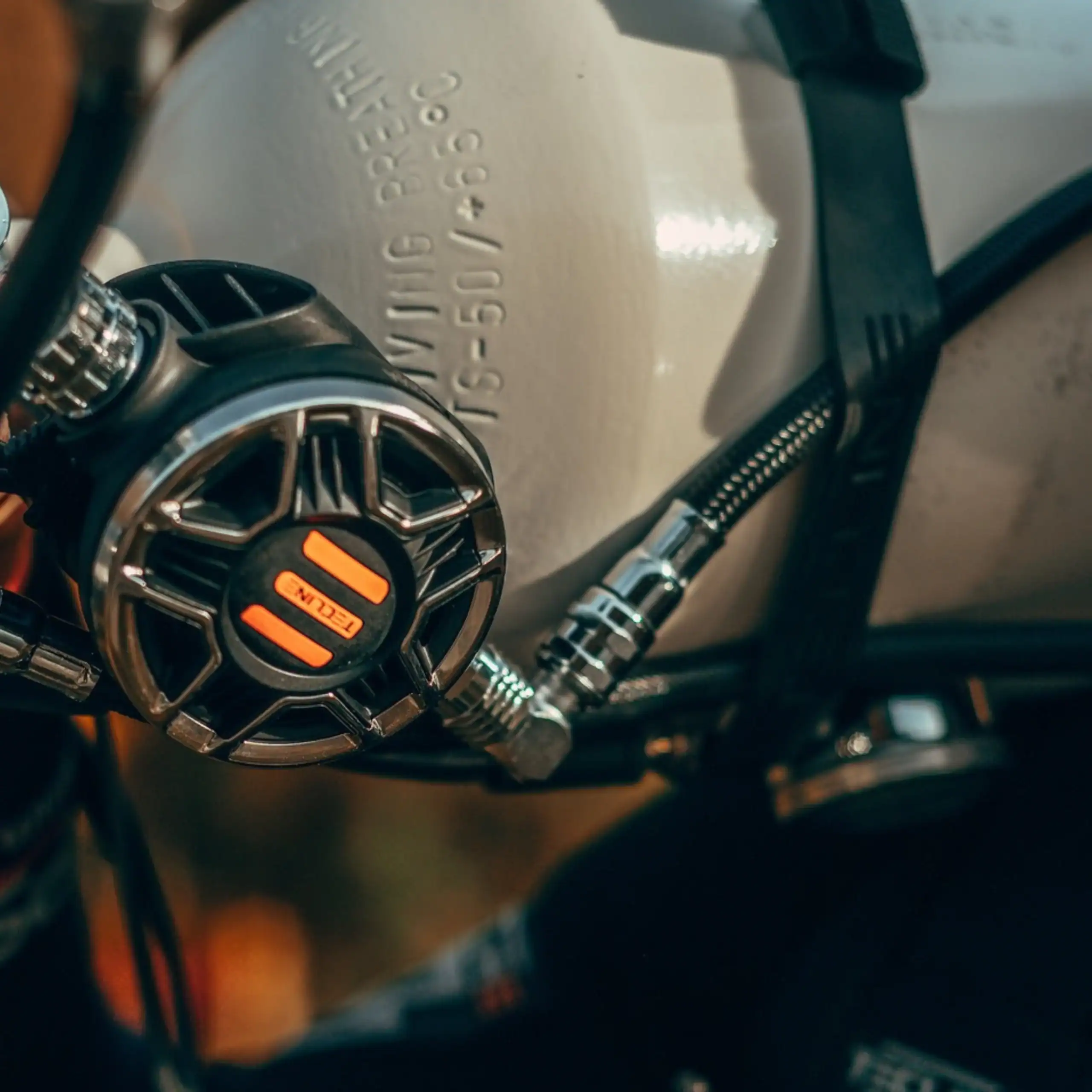
Tank Care and Maintenance

SCUBA cylinders should be rinsed in fresh water after use, then wiped dry. Remove the tank boot and dry the cylinder completely so that no water is allowed to accumulate on the outside of the tank. The valve should be opened briefly to expel any moisture from the valve opening.