Call Us Now! (02) 8681-8341 [email protected]

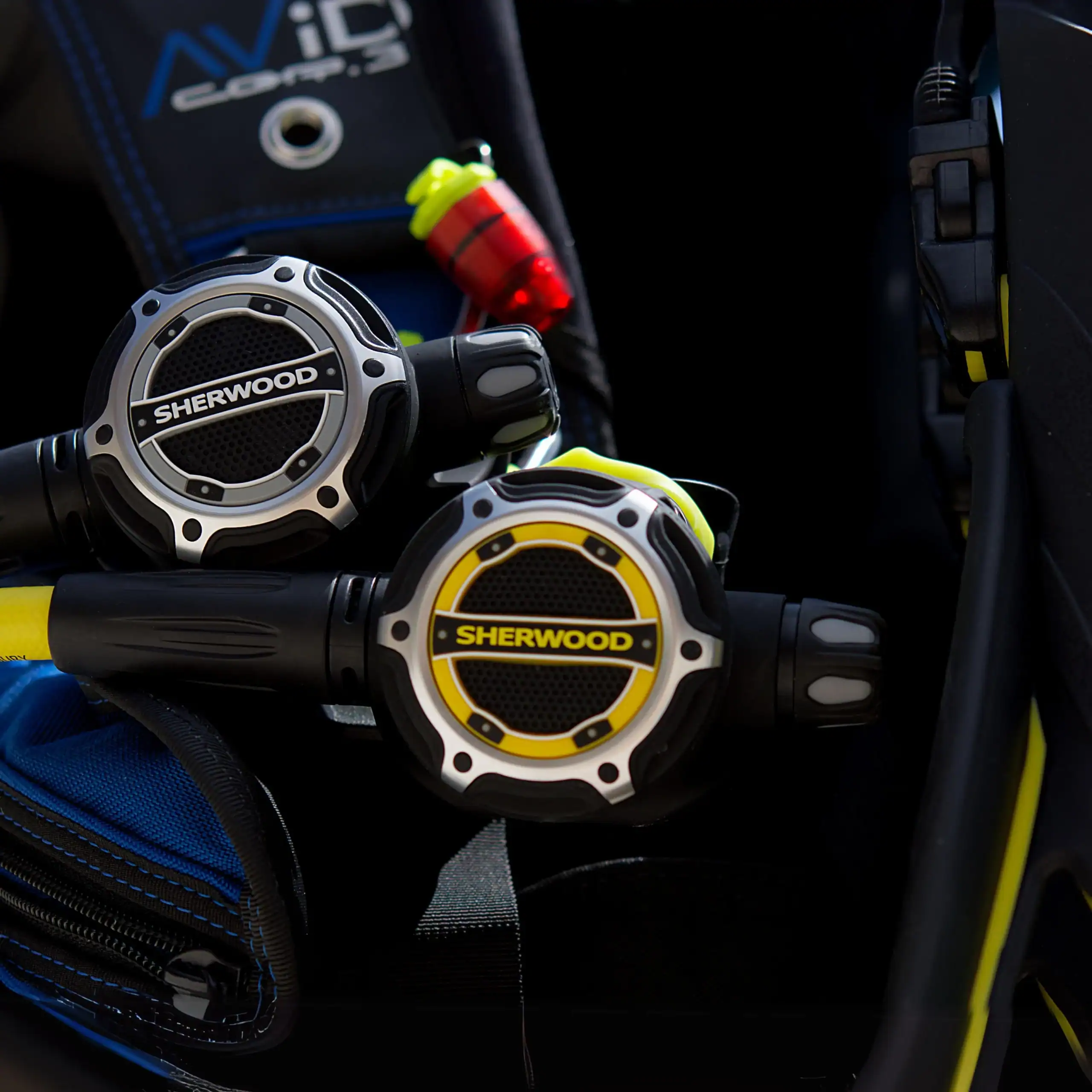
- Whenever the regulator is removed from the cylinder valve, it is important to wipe or blow the dust cap completely dry, and then fasten it securely over the first stage inlet fitting. This is critical to prevent the entrance of moisture into the first stage.
- As soon as possible after diving, the regulator should be rinsed thoroughly with fresh water while it is attached to a cylinder and pressurized with air.
- Rinsing alone, however, will not sufficiently clean the regulator. To clean the regulator as thoroughly as possible, it is necessary to soak it in warm, not over 49°C (120°F), tap water for at least one hour.
- The preferred method is to attach the regulator to a charged scuba cylinder, open the cylinder valve to pressurize the regulator, and thoroughly soak both the first and second stages. Pressurizing the regulator will effectively prevent the entrance of moisture and/or contaminants into the regulator while it soaks.
- If it is not feasible to soak the regulator while it is attached to a cylinder, it may be soaked unpressurised — provided that the dust cap is securely sealed over the inlet, and the second stage purge buttons are not depressed while the regulator is submerged or wet.NOTE: When soaking or rinsing an adjustable model regulator unpressurised, check to ensure that the second stage inhalation control knob is turned completely “in”(clockwise) to prevent moisture from entering the valve and LP hose.CAUTION: DO NOT loosen the first stage yoke screw, depress the second stage purge button, or turn out the inhalation control knob (if present) if the regulator is submerged unpressurised. Doing so will allow the entrance of moisture, and will require that the regulator be returned for a full service.
- While the regulator is soaking, move the IVS control switch (if present) back and forth several times from the “MIN” to the “MAX” settings. You may also turn the inhalation control knob slightly back and forth — no more than a quarter turn. This action will help to loosen any salt or mineral deposits that may remain lodged in the second stage.
- After the regulator has been properly soaked, it is important to rinse it vigorously by flushing the first stage ambient chamber (non-environmentally sealed models only), the second stage mouthpiece, and the openings in the second stage front cover with a pressurized stream of water. This will remove any deposits of salt and minerals that were loosened during soaking. If the regulator is not pressurized, do not press the purge button underwater. Moisture may otherwise enter the valves, which will require that the regulator be returned for a full service.
- Wipe the regulator as dry as possible and hang by the first stage to ensure that all remaining moisture drains from the second stages.
- Adjustable models should be stored with the inhalation control knob turned all the way out (counter-clockwise), away from the regulator body. This will help to extend the life of the low pressure seat.
- When the regulator is completely dry, store it in a clean box or sealed inside a plastic bag. Do not store it where it may be exposed to extreme heat or an electric motor which produces ozone. Prolonged exposure to extreme heat, ozone, chlorine, and ultraviolet rays can cause premature degradation of rubber parts and components.
- Never store the regulator while it is connected to the cylinder valve.
- Do not use any type of solvent or petroleum based substances to clean or lubricate any part of the regulator. Do not expose any part of the regulator to aerosol spray, as some aerosol propellants attack or degrade rubber and plastic materials.